
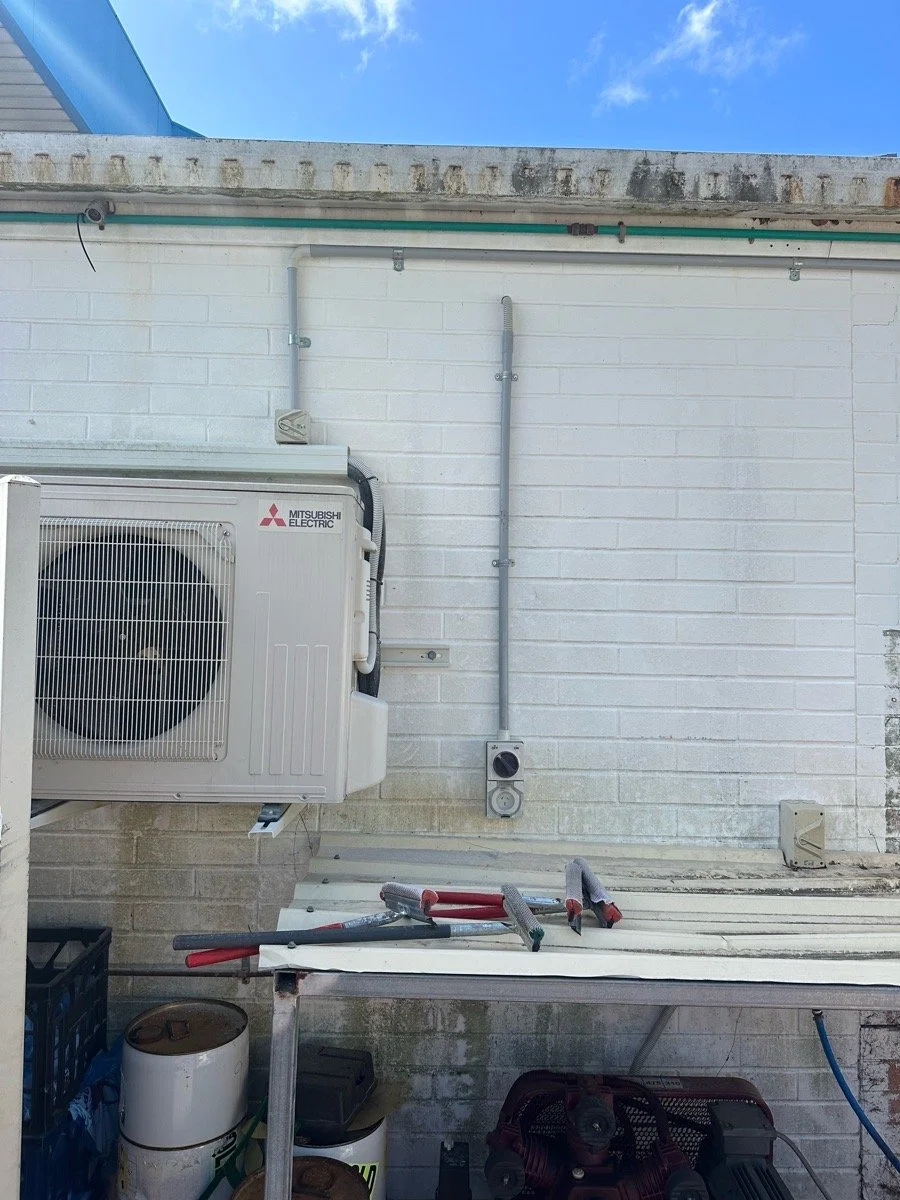
If you are budgeting for a new air conditioner, split system installation cost Bundaberg homeowners pay will depend on the unit size, installation layout, electrical requirements and access. In 2026, a straightforward installation is usually cheaper than a job requiring long pipe runs, switchboard work or difficult access.
If you are planning a new air conditioner, it helps to understand what affects the final quote before choosing a system.
Tagteam Electrical also provides solar solutions in Bundaberg for homeowners looking to better manage household energy use and make better use of daytime solar generation.
What Affects Split System Installation Cost in Bundaberg?
Several factors can change the amount of labour, materials and electrical work required.
The main factors include:
Air conditioner size
Indoor and outdoor unit location
Length of refrigerant pipework
Drainage requirements
Electrical circuit requirements
Switchboard condition
Access to the installation area
Removal of an old system
Wall construction and mounting requirements
Two homes can need the same air conditioner but still have very different installation requirements.
System Size and Capacity
The size of the air conditioner plays a major role in the overall job.
A small bedroom system usually requires less capacity than a unit designed for a large open-plan living area. Larger systems may require different electrical connections, mounting equipment and pipework.
Choosing the correct size matters because an undersized unit may struggle to cool the room, while an oversized system may cycle on and off more often than necessary.
Before purchasing a system, consider the room size, ceiling height, insulation, windows and sun exposure.
Back-to-Back Installation vs Complex Installation
A back-to-back installation is one of the simplest layouts.
The indoor unit is mounted on an external wall, with the outdoor unit positioned directly behind or close to it. This keeps the pipework, cabling and drainage relatively short.
More complex installations may involve:
Longer pipe runs
Internal walls
Multi-storey properties
Difficult outdoor unit locations
Extra drainage work
Concealed pipework
Additional wall penetrations
The more complex the layout, the more time and materials the installation may require.
Electrical Requirements
Split system installation involves electrical work, and the existing electrical setup needs to support the new unit safely.
Depending on the property, the work may require:
A dedicated circuit
New cabling
A circuit breaker or RCBO
Switchboard changes
Additional electrical protection
Older homes may need more attention if the existing switchboard or wiring does not meet the requirements of the new system.
A qualified electrician should inspect the electrical setup before the installation begins.
Indoor Unit Placement
The position of the indoor unit affects both comfort and installation complexity.
A suitable location should allow the air to circulate through the room without being blocked by furniture, curtains or walls.
The unit also needs to be positioned where drainage can be managed correctly.
Poor placement can reduce cooling performance, even if the system itself is the correct size.
Outdoor Unit Placement
The outdoor condenser needs good airflow and enough space around it to operate properly.
It should also be placed on a stable surface and positioned where future maintenance is practical.
Difficult access, upper-storey mounting or tight side passages can make the installation more involved.
A good installer will consider both performance and accessibility before deciding on the final position.
Pipework and Drainage
The indoor and outdoor units are connected using refrigerant pipework, electrical cabling and drainage.
Longer distances between the two units usually mean more materials and more installation time.
Drainage is also important because the indoor unit produces condensation while cooling.
The drain needs to direct water away safely without causing leaks, staining or damage to the property.
When to Call a Professional
Call a professional if you are unsure about the correct system size, installation location or electrical requirements.
This is especially useful for older homes, large open-plan areas, multi-storey properties or installations that involve long pipe runs.
Tagteam Electrical can inspect the property and provide advice based on the actual installation requirements rather than a general estimate..
Conclusion
Split system installation cost in Bundaberg varies because every property and installation layout is different.
System size, access, electrical work, pipe length and unit placement can all affect the amount of work required.
For a clearer idea of what your installation involves, contact Tagteam Electrical and arrange an assessment based on your property and cooling needs.
FAQs
What affects split system installation cost in Bundaberg?
The main factors include unit size, installation location, electrical work, pipe length, drainage and property access.
Is back-to-back installation simpler?
Yes. A back-to-back layout usually requires shorter pipework and less labour than a more complex installation.
Can an old split system be replaced in the same location?
Often, yes, but the installer should check the existing pipework, electrical setup and drainage first.
Should I choose the system before booking installation?
It is better to confirm the correct system size and installation requirements first, especially for larger rooms or unusual layouts.