
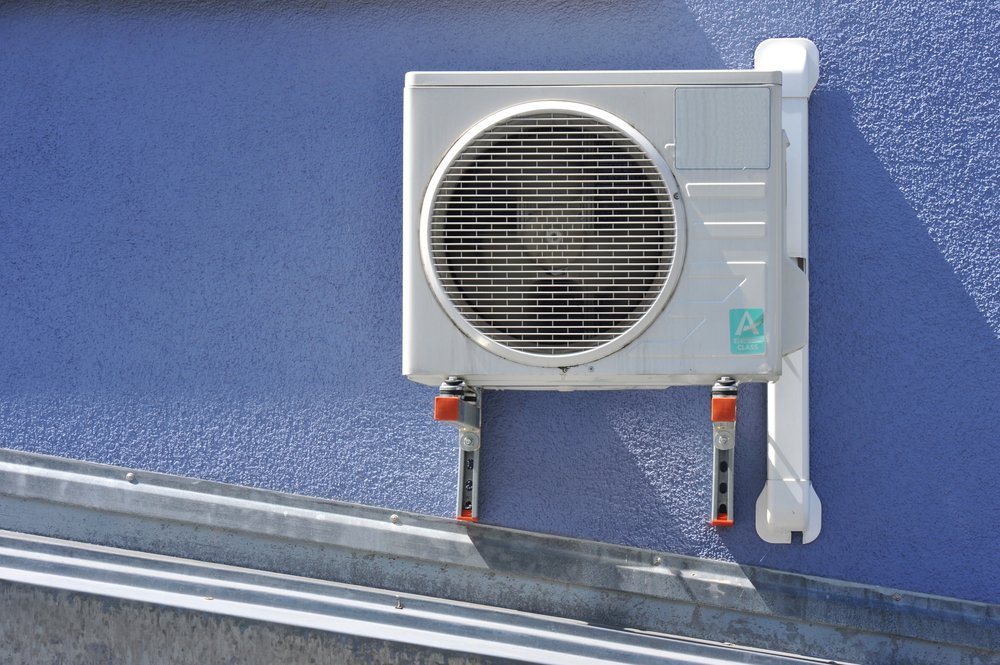
Running air con on solar in Bundaberg can reduce the amount of grid electricity your home uses during the day. The actual running cost depends on the size and efficiency of your air conditioner, solar output, household electricity use and whether you use battery storage.
Solar works best with air conditioning when the system runs during periods of strong daytime generation.
You can also explore Tagteam Electrical’s air conditioning services in Bundaberg if you are planning a new system or need advice on an existing unit.
For homeowners considering solar, Tagteam Electrical provides solar solutions in Bundaberg to help match generation with household energy use.
How Running Air Con on Solar in Bundaberg Works
Solar panels generate electricity during daylight hours.
That electricity first supplies appliances running inside the home. If your air conditioner is operating at the same time, some or all of its electricity demand may be supplied by the solar system.
If the air conditioner and other appliances use more electricity than the solar system produces, the home will usually draw the difference from the grid.
If the solar system produces more electricity than the home needs, the excess may be exported or stored in a battery.
Does Solar Make Air Conditioning Free?
Not completely.
Solar can reduce the amount of electricity you buy from the grid, but the result depends on how much electricity your system is generating at the time.
Cloud cover, shading, panel orientation and household power use can all affect how much solar energy is available.
The most useful approach is to think of solar as a way to reduce grid use rather than assuming there will be no running cost.
Why Daytime Air Conditioning Works Well With Solar
Air conditioning and solar generation often overlap during hot, sunny days.
This makes daytime use a practical way to increase solar self-consumption.
If your solar system is generating enough electricity to cover the air conditioner and other appliances, your reliance on grid power may be lower during that period.
The amount of benefit depends on how much solar generation is available and how much electricity the air conditioner is using.
How Much Electricity Does a Split System Use?
The electricity use of a split system depends on more than its cooling capacity.
An inverter split system adjusts its output depending on the temperature inside the room.
It may use more power when first cooling a hot room and then reduce its output once the selected temperature has been reached.
Electricity use can be affected by:
System size
Energy efficiency
Outdoor temperature
Thermostat setting
Room size
Insulation
Window area
Sun exposure
How long the system runs
A correctly sized system will usually operate more efficiently than one that is too small or too large.
Solar Self-Consumption
Self-consumption means using the electricity your solar panels generate inside your own home.
Air conditioning can increase self-consumption because it is often used during the same daylight hours when the panels are generating electricity.
This can help reduce the amount of power you need to import from the grid.
How much difference this makes depends on your overall household usage.
What Size Solar System Do You Need?
There is no single solar system size that suits every home.
The air conditioner is only one part of the household load.
Your solar system may also need to supply:
Fridges and freezers
Pool pumps
Hot water systems
Washing machines
Dishwashers
Computers
Televisions
EV chargers
General household appliances
A home running several appliances at the same time may still draw electricity from the grid even when the solar system is producing power.
Tagteam Electrical can help assess the relationship between household energy use, solar generation and air conditioning demand.
Can a Battery Help?
A solar battery stores excess electricity for later use.
This can be useful if you want to run air conditioning after the sun goes down.
Whether the battery can support the air conditioner for a long period depends on:
Battery capacity
Air conditioner energy use
Other household appliances
Battery charge level
Inverter capacity
Air conditioning can place a large load on a battery, so the battery should be sized around the household's real electricity use.
When to Call a Professional
Call a professional if you want to understand how your air conditioner will work with your existing solar system.
A qualified electrician or solar installer can review your solar generation, household electricity use, switchboard, inverter and proposed air conditioner.
Tagteam Electrical can assess both the air conditioning and solar side of the property to help you understand how the systems work together.
Conclusion
Running air con on solar in Bundaberg can reduce grid electricity use, especially when the system runs during strong daytime solar generation.
The result depends on air conditioner efficiency, solar output, household load, system size and battery storage.
If you want advice based on your own property and electricity use, contact Tagteam Electrical for an assessment.
FAQs
Can I run a split system using solar power?
Yes. During daylight hours, solar generation can supply some or all of the electricity used by the air conditioner, depending on system output and household demand.
Is daytime air conditioning better for solar?
It can be. Daytime use allows the air conditioner to use electricity while the solar panels are actively generating power.
Will a solar battery run air conditioning at night?
It may, depending on battery capacity, air conditioner demand and other household electricity use.
How can I reduce air conditioning running costs?
Choose the right system size, keep filters clean, reduce heat entering the home and use the air conditioner during stronger solar generation where practical.