
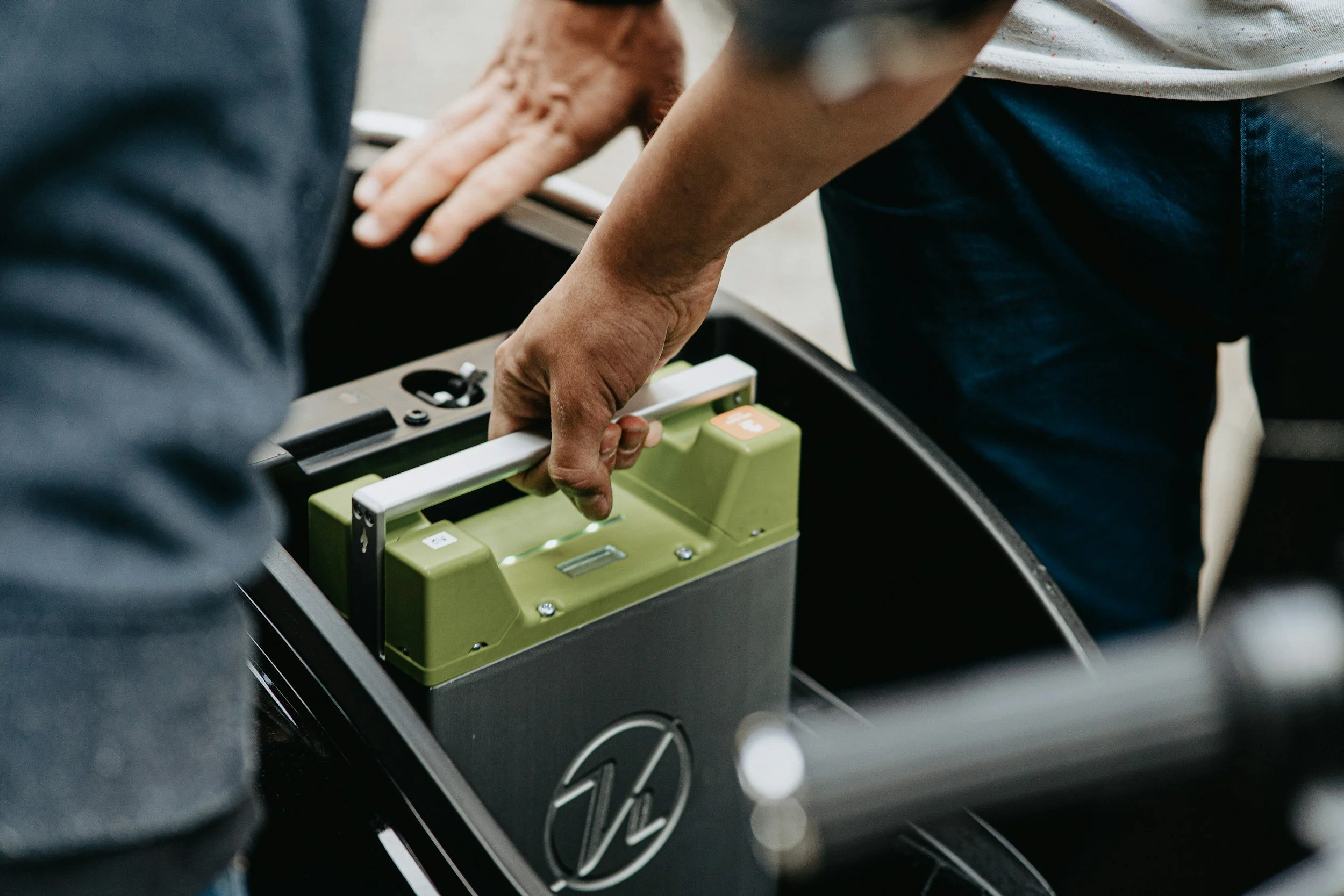
Adding solar battery storage to an existing solar system is not simply a matter of mounting a battery beside the inverter. An electrician must check inverter compatibility, switchboard condition, system design, protection equipment, battery location and how the existing solar installation will integrate with the new equipment.
Some solar systems can be adapted relatively easily, while others may need inverter, switchboard or protection changes.
The age of your solar panels alone does not determine whether a battery can be added.
TagTeam Electrical looks at the electrical system as a whole before recommending how battery storage should be incorporated.
What Does an Electrician Check First?
The starting point is understanding what equipment is already installed.
This normally includes the:
Solar inverter
Solar array capacity
Switchboard
Metering arrangement
Existing circuit protection
Available installation location
Earthing arrangement
Household electrical loads
The electrician also needs to understand what you want the battery to do.
A system designed mainly to store excess daytime solar may differ from one intended to provide backup power during outages.
Is Your Existing Inverter Battery Compatible?
This is one of the main questions.
Some existing solar inverters were designed only to convert DC electricity from the panels into AC electricity for household use and grid export.
Depending on the proposed battery architecture, the existing inverter may remain in place, work with additional equipment or need to be replaced.
Do not assume that having rooftop solar automatically makes a property ready for solar battery storage.
Model numbers and technical specifications need to be checked.
AC-Coupled vs Hybrid Battery Systems
Battery systems can integrate with existing solar in different ways.
An AC-coupled arrangement typically uses battery equipment that works alongside the existing solar inverter. This can make it suitable for some retrofits.
A hybrid inverter may manage both solar generation and battery storage within the same system.
Neither configuration is automatically better for every home.
Equipment compatibility, existing solar size, backup requirements, energy use and upgrade plans all influence the decision.
Why the Switchboard Matters
Adding a battery changes the electrical installation.
The electrician needs to check whether the switchboard has suitable space, circuit protection and configuration for the new equipment.
Current requirements also matter when an existing electrical installation is altered.
Guidance referring to AS/NZS 3000 explains that parts of an installation affected by an alteration may need upgrading to meet applicable requirements.
That means an older switchboard can sometimes require additional work as part of a battery project.
Solar Battery Storage Location Requirements
Battery placement is not just about finding an unused section of wall.
Solar battery storage systems have installation requirements covering issues such as location, clearance and separation from particular areas.
AS/NZS 5139:2019 Amendment 1:2025 introduced updated clarification around battery locations, restricted areas, barriers and signage. Queensland electrical safety guidance specifically notes these revised provisions.
A preferred location may therefore be unsuitable even when the battery physically fits there.
This should be assessed before equipment is ordered or mounting work begins.
Can the Battery Power Your House During a Blackout?
Not automatically.
Many homeowners assume that installing a battery means every circuit will continue working whenever the grid fails.
Backup capability depends on the battery, inverter, system design and circuits selected for backup.
You may choose to prioritise essential loads such as:
Refrigeration
Selected lighting
Internet equipment
Specific power circuits
Other nominated essential equipment
High-load appliances can require additional consideration.
Discuss backup expectations before the system is designed so you understand what will and will not operate during an outage.
Is Your Existing Solar Array Large Enough?
A battery stores electricity. It does not create electricity.
If the solar array produces little surplus energy after household consumption, there may be less excess generation available to charge the battery.
Look at actual household consumption and solar generation rather than assuming that a larger battery automatically provides better results.
TagTeam Electrical recommends assessing how and when the household uses electricity before choosing storage capacity.
What About Older Solar Systems?
An older system may still be useful, but age can affect the economics and design of a battery upgrade.
The electrician may inspect the inverter, isolators, switchboard equipment and other relevant components.
If major solar equipment is nearing the end of its useful life, it may make more sense to plan the battery project alongside a broader solar upgrade.
That decision should be based on equipment condition and compatibility rather than age alone.
Do Solar Batteries Need Accredited Installation?
Battery installations are subject to electrical safety and industry requirements.
The Clean Energy Regulator states that solar batteries participating under relevant renewable-energy arrangements must be installed by, or under the supervision of, an accredited battery installer and must meet applicable jurisdictional electrical safety requirements.
Battery systems also store substantial electrical energy, so this is not a suitable DIY project.
When to Call a Professional
Arrange an assessment before buying a battery if you already have rooftop solar.
A qualified professional can identify whether the existing inverter is compatible, whether switchboard changes are required and where the battery can legally and practically be positioned.
TagTeam Electrical can assess the electrical installation, household requirements and existing solar equipment before determining what needs to change for battery integration.
This reduces the risk of choosing equipment that does not match the property.
Conclusion
Preparing for solar battery storage involves checking more than your solar panels.
Inverter compatibility, switchboard condition, protection devices, battery location, backup design and household energy use all affect the final system. Contact TagTeam Electrical to have the existing installation assessed before committing to a battery so you know whether your current solar setup is ready or requires changes first.
FAQs
Can I add a battery to any existing solar system?
Not always. Compatibility depends on the inverter, system architecture, switchboard and proposed battery equipment.
Do I need to replace my solar inverter when adding a battery?
Sometimes, but not in every installation. AC-coupled systems may allow some existing solar inverters to remain.
Will a solar battery power everything during a blackout?
Not necessarily. Backup operation depends on system design, inverter capability, battery output and the circuits configured for backup.
Can I install a solar battery anywhere outside my home?
No. Battery installations must comply with location, clearance and safety requirements under applicable standards.