
The Complete Guide to Air Conditioning Solutions: Benefits, Installation & Maintenance
Introduction: Bundaberg’s Climate and the Need for Cool Comfort
Imagine stepping into your Bundaberg home on a typical summer arvo: the air is thick, humid, and the sun is blazing above. With summer maximums around 30°C, Bundaberg’s subtropical climate often feels like a warm welcome – if you love heat! Thankfully, a good air conditioning solution turns “sweltering” into “serene” indoors. For young Australian professionals, comfort at home or the office isn’t just a luxury – it’s vital for productivity and well-being. In this guide, I’ll walk you through how modern air conditioning solutions keep Bundaberg residents cool, comfortable, and energy-smart year-round. We’ll dive into benefits, installation tips, maintenance tricks, and more. So grab a cold drink (I’m sipping an iced latte as I write this!) and let’s make sense of air conditioning in Bundy style.
Bundle up on knowledge as we explore how cutting-edge air conditioning solutions can transform your space. Air conditioners here don’t just beat the heat—they filter the air, balance humidity, and even help us “go green” by reducing power bills when chosen wisely. Throughout this article, you’ll see how residential, new-home, and commercial climate control systems all play their part in Bundaberg’s comfort story. Ready for a refreshing deep dive? Let’s go!
Benefits of Modern Air Conditioning Solutions
Air conditioning has come a long way from clunky window units and noisy fans. Today’s systems offer a slew of benefits that go far beyond simply cooling a room. For starters, installing a modern air conditioning system keeps your home or workplace at a steady, comfortable temperature year-round – and that has a big impact on health and mood. No more sweaty Monday mornings or shivering winter chills. In fact, bundled features in energy-efficient air conditioning units often provide both cooling and heating (reverse-cycle), so you can stay cozy in winter too.
Comfort & Productivity: Imagine finishing work without that sticky, irritated feeling – air conditioning can help you sleep better at night and concentrate more during the day. High humidity can make you feel sluggish, but a well-sized AC unit acts like a dehumidifier.
Energy Savings: Thanks to today’s technology, new AC systems come with high star ratings and smart thermostats. Using proper settings (like a 24°C setpoint) and sleep modes can actually save on electricity bills. Aussie standards mandate that all air conditioners meet strict energy performance criteria, and choosing a high-efficiency model means paying less for each cool breeze.
Health & Air Quality: Cooling isn’t the only game in town. Modern units have filters that scrub dust, pollen, and even smoke from the air. That’s crucial in cities and towns like Bundaberg, where pollutants and allergens can float in. Better indoor air means fewer headaches or sneezes at home. It’s like having a mini filter on your windows!
Year-Round Climate Control: Today’s systems are “all-rounders.” Reverse-cycle heat pumps give you AC in summer and warm air in winter, so you don’t need separate heaters. Whether it’s balmy summer or a chilly winter night, a quality climate control system adjusts to your needs, keeping you comfortable 24/7.
All these perks make modern ACs feel almost like a “smart home” necessity. In fact, in Bundaberg’s hot climate, a reliable AC unit is practically as important as a trusty set of sunglasses. By choosing the right system, you not only chill out but also save energy and protect your indoor air.
Types of Air Conditioning Systems: Residential, New Home & Commercial Solutions
Air conditioning isn’t one-size-fits-all. Different places and lifestyles call for different systems and setups. Broadly, we can split these into residential (homes, apartments), new-home building solutions, and commercial systems (offices, shops, factories). Let’s break them down:
Residential Air Conditioning Solutions
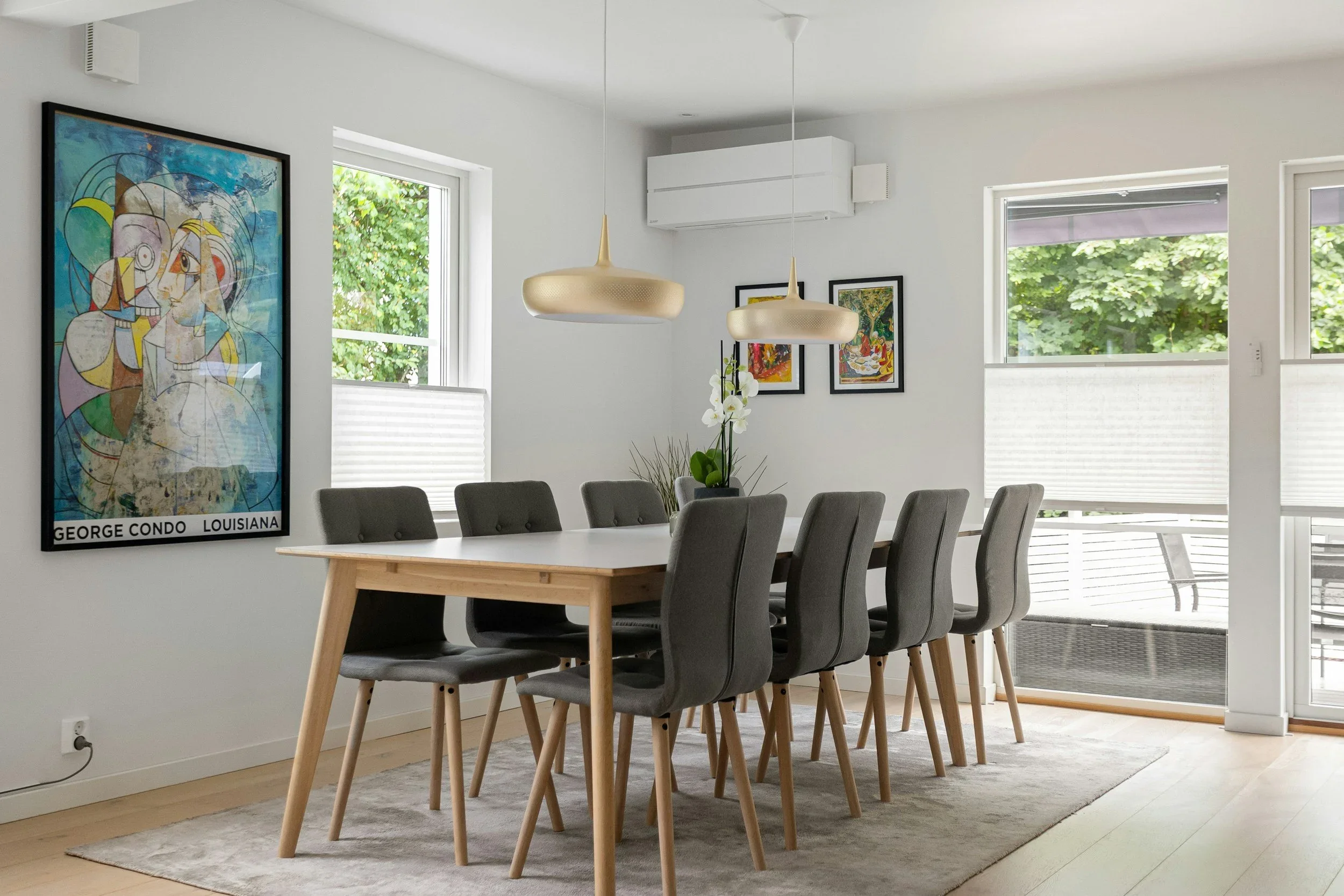
For most homes, split-system reverse-cycle units are king. These are the classic wall-mounted units (like the ones you see in living rooms) paired with an outdoor compressor. They’re relatively affordable, super quiet, and can individually cool or heat rooms. Families building a new home in Bundaberg also often install ducted systems, where one central unit feeds vents in multiple rooms for whole-house climate control. Tag Team Electrical, for example, designs and installs split systems, reverse-cycle systems, or ducted units – all tailored to keep Aussie homes comfortable.
Another up-and-coming option is the mini-VRF (Variable Refrigerant Flow) or multi-split systems, which use one outdoor unit to serve multiple indoor heads. These are great for bigger homes or where individual room control is needed. New homes especially benefit from pre-installed ducting or multi-split wiring so everything blends seamlessly into the house design.
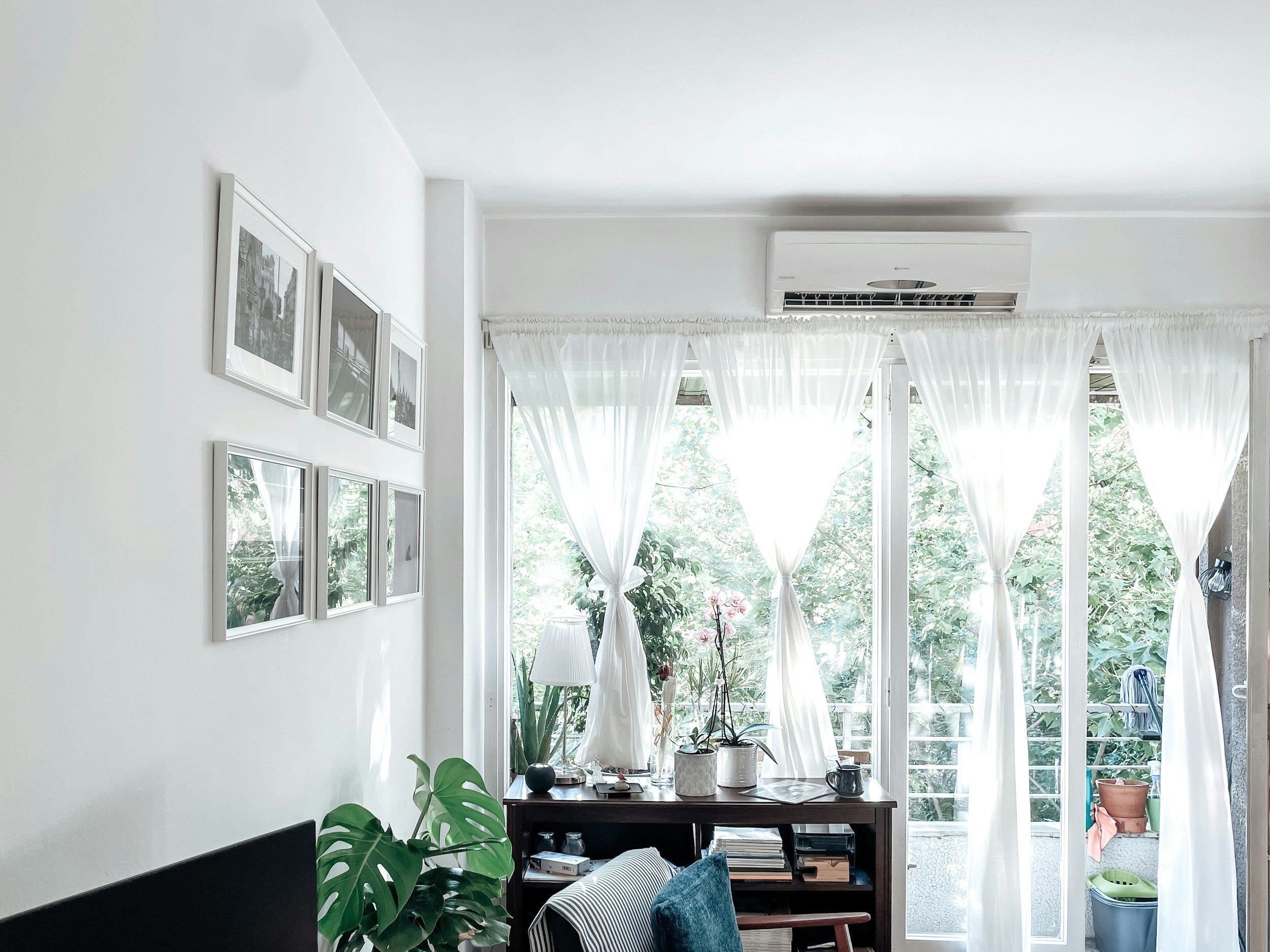
In residential setups, smart air conditioning systems are also trending. Imagine controlling your AC through an app or having it learn your routine: chilling the bedroom to 22°C just before you hit the sack. This tech not only ups the cool-factor (pun intended) but also ensures you don’t waste energy on empty rooms.
New Home Air Conditioning Solutions
Building a new home is the perfect time to “get it right” with AC. You can plan where to place ducting or splits so the system doesn’t clash with your décor. Many new Bundaberg homes are built with an open-plan design; a zoned ducted system or a couple of multi-splits often work well to keep each zone comfy. Early planning with an electrician/AC pro ensures your new place has the right capacity and airflows. Plus, wiring for a smart thermostat during construction saves hassle later.
Whether it’s a single-split in a granny flat, or a whole-house heat pump with multiple zones, the core idea is design-for-comfort. Tag Team Electrical, for instance, designs and installs AC that fits a new home’s layout and energy needs. That means if your new Bundy home has big east-facing windows that bake the living area in the afternoon sun, your electrician might recommend extra AC capacity there.
Commercial Air Conditioning Solutions
Commercial spaces have their own cooling challenges. Offices, shops, and warehouses often need larger systems and sometimes different types (like packaged AC or rooftop units). Productivity can drop if the workspace is too warm or stuffy, so businesses invest in efficient HVAC solutions.
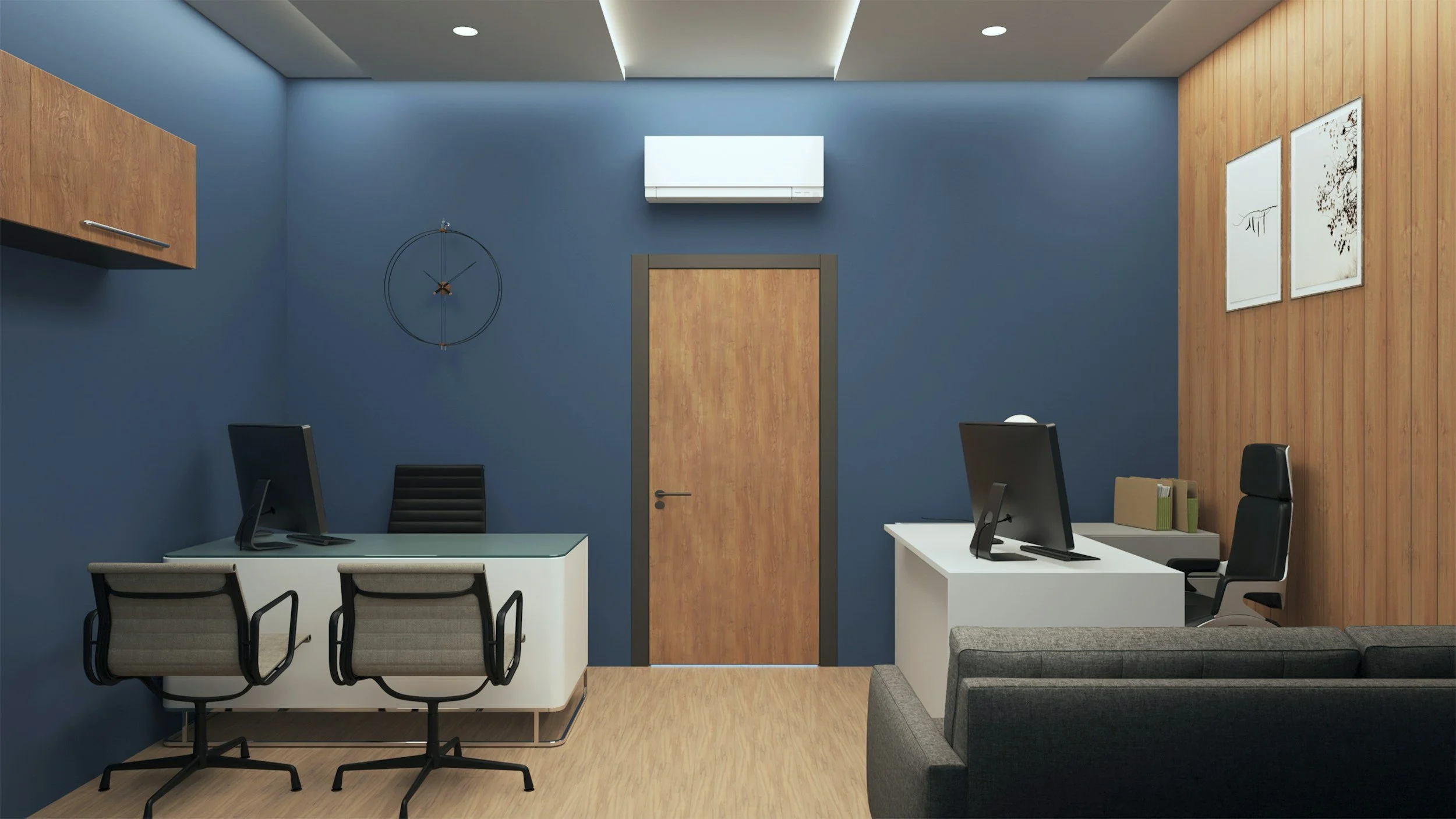
For Bundaberg businesses, tailored commercial air conditioning systems are key. These systems handle more load (more people, equipment, etc.) and often come with advanced controls (like commercial thermostats or building automation). For example, retail shops might use multi-split systems or ducted systems with multiple zones. Larger facilities may even have VRF systems or chilled-water setups. The goal? Keep staff and customers comfortable without blowing the budget on power.
Commercial AC units can be bigger and louder than home units, so they’re usually placed on rooftops or outside. Modern commercial systems often include features like variable fans or compressors that ramp up only as needed, trimming energy use. Plus, many local businesses now choose energy-efficient air conditioning brands (Mitsubishi Electric, Daikin, etc.) because the long-term savings on power bills are huge.
Key takeaway: Whether it’s a cozy home or a busy office, there’s an air conditioning solution built for that scenario. Residential AC focuses on quiet, comfort, and aesthetics; commercial AC emphasizes capacity, durability, and central controls. In both cases, choosing the right system means better performance and longer life.
Installing Your Air Conditioning System: What to Expect
Getting a new AC installed can feel like a big project, but with the right team it’s smooth as a cold breeze. First things first: sizing. A tag-team of factors like your home’s size, insulation, and even Bundaberg’s searing afternoon sun will dictate what capacity you need. (Tip: A professional should calculate the load – if an installer guesses too low, you’ll have a unit that can’t keep up).
Once size is sorted, the actual installation usually looks like this:
Site Survey & Planning: Your electrician will inspect the space. They’ll figure out the best spot for the indoor unit (high on a wall, centrally located) and the outdoor unit (in a shady corner if possible, for efficiency). They’ll also plan how to run the refrigerant lines and wiring.
Running Pipes and Wires: Hole drilled (carefully!) through the wall, the copper refrigerant lines, drainage pipe, and power cable all snake outside. The neatness of this step is crucial. I always marvel at how electricians hide all those pipes and make it look tidy.
Mounting Units: The indoor head and outdoor condensing unit are secured in place. The outdoor one needs good air circulation, so space it well. We often see in Bundaberg homes the outdoor unit on a concrete pad beside the house or on brackets on an outside wall.
Connecting and Testing: Next, the tech vacuum-pumps the lines to remove moisture and air, releases the refrigerant, then fires up the AC. They’ll set the temperature to make sure it cools and heats correctly. A good installer (like those certified by Mitsubishi Electric or Panasonic) will adjust the settings, test for leaks, and show you how to use the remote or thermostat.
In a new home build, ducted systems get fitted during construction before walls are finished. That way, vents are flush with walls and only the grilles show. For retrofit installations (in existing homes), mini-splits or wall-splits are more common since they’re easier to add. Either way, make sure the installation follows the Australian standards and local regulations – this ensures safety and often keeps warranties valid.
After the dust settles, you’ll want to test the system. Run it on a hot Bundaberg afternoon and check for cool air. Also note: noisy outdoor units can be a nuisance to neighbors, so placement matters. Our techs try to place them as far from bedrooms as practical. Pro tip: If noise is a concern, look for units with “low decibel” ratings or add acoustic fencing around the outdoor unit (while still allowing airflow).
All told, AC installation can range from a few hours (for one split-system) to a day (for multi-split or ducted). Tag Team Electrical highlights that they use high-quality systems and make sure the process is quick and efficient. That’s exactly what you want – minimal disruption, maximum coolness. And once it’s in, don’t forget to register any warranties and keep the paperwork handy!
Maintaining and Servicing Your AC: Keeping It Cool and Clean
An often-overlooked part of owning an air conditioner is maintenance. You wouldn’t drive a car for years without oil changes or checks – same for AC! Regular servicing keeps your system efficient, prolongs its life, and maintains indoor air quality. Here’s what I recommend for Bundaberg homeowners:
Filter Cleaning/Replacement: Every 2-3 months (or monthly if running 24/7), clean or replace the air filter. A clogged filter forces the AC to work harder (like running with a sock in your mouth!), raising power use. Most split-system units have reusable filters you can vacuum or hose down. A clean filter means better airflow and fewer dust mites circling in your air.
Clear Debris from Outdoor Unit: Leaves, grass clippings, even spider webs around the outdoor condenser can block airflow. Check it monthly and gently clean around it. This is extra important here in Bundaberg where summer storms might dump leaves in your yard. A clean exterior lets the unit breathe and keeps it efficient.
Check Drainage: If the indoor unit has a drain pan or pipe (it does, to get rid of condensation), ensure it’s not blocked. A clogged drain can overflow water (yuck!) or trigger safety switches that shut the AC off. We’ve seen balconies get water damage from a neglected AC drain line, so this is a must.
Professional Tune-Up: Aim for a professional service at least once a year, ideally before summer. A qualified technician (licensed by Energy Safe Victoria or the Queensland electrical safety office) will do a thorough check: test refrigerant pressure, clean coils, measure electrical connections, and confirm it’s running at peak efficiency. They can also test if the refrigerant (CFCs/HFCs) needs topping up. This service might cost a bit, but it’s way cheaper than replacing the compressor if it fails. Tag Team Electrical even offers ongoing maintenance plans to keep ACs running smoothly.
Regular AC maintenance doesn’t need to be a chore. A quick personal check (filter & debris) every few months and a professional check-up yearly is a great routine. It helps avoid big breakdowns and keeps your home’s air fresh. Plus, we all know that an investment in AC is an investment in savings: properly maintained units use less power, which in Bundaberg’s 30°C summers can shave dollars off your bill. Think of it as tuning up your surfboard before a big swell – essential for peak performance!
Energy Efficiency and Sustainability in AC Systems
We can’t chat about AC without talking about energy. Air conditioners are power-hungry, but technology is getting smarter. Bundaberg homeowners increasingly look for energy-efficient air conditioning to trim bills and shrink carbon footprints. Here’s how to make your cooling greener:
First, star ratings and labels matter. In Australia, all new non-ducted air conditioners carry a Zoned Energy Rating Label. This government label shows a star rating (1 to 10) and annual kWh use in each climate zone. Bundaberg falls into the “hot” zone, so look at the blue star column – more stars = more efficiency. For example, upgrading from a 3-star to a 5-star split-system unit can cut your electricity use considerably. The label also displays the unit’s capacity, so you can compare like-for-like. As the government site explains, these standards are mandatory for ACs. When shopping, always pick a higher-starred model – it’s like buying a fuel-efficient car for your home.
Smart usage also helps a ton. Use timers or programmable thermostats so your AC isn’t blasting away in empty rooms. A ceiling fan on medium can allow you to set your thermostat a couple degrees higher without feeling hot, saving energy. Also consider inverter technology: inverter air conditioners vary their compressor speed and are more efficient at maintaining a set temperature than older fixed-speed models. Most modern split systems are inverters these days, but double-check when you buy.
Note: Queensland’s climate report reminds us that ACs do have an environmental impact. Between 2005 and 2022, QLD’s industrial emissions (which include large AC systems) rose sharply, in part due to increased air-conditioning use. Opting for efficient systems and sensible use helps tackle this issue.
For truly eco-minded Bundaberg residents, consider these extra steps:
Zoned & Smart Controls: Multi-zone systems or ducted zoned systems let you cool only the rooms in use. Modern smart thermostats and home automation allow remote control and learning behaviors to minimize waste.
Regular Upgrades: If your unit is 10+ years old, a new one could be 30-40% more efficient. Tag Team Electrical’s upgrades (e.g. installing a new Mitsubishi Electric unit) not only cool better but pay back in energy savings over time.
Supplement with Ventilation: On cooler summer nights, use windows or whole-house fans instead of AC. And during winter, if you only need a slight temp bump, consider a reverse-cycle mode on low, rather than a standalone heater.
Government Rebates: Occasionally, there are rebates or incentives for upgrading to efficient systems (e.g. ACT’s switch to reverse-cycle program). It’s worth checking official Australian government rebate sites for any current offers (though Bundaberg, QLD currently has limited schemes, unlike WA’s heat-rebate).
Ultimately, an efficient AC combined with mindful habits is a big win. You’ll enjoy that chilled living room without the guilt of blowing up your carbon footprint. Plus, your wallet stays a bit fatter on those blistering Bundaberg days when the meter’s ticking.
Indoor Air Quality and Climate Control
Aside from temperature, a good air conditioning solution can greatly improve indoor air quality – a topic often under the radar. We spend most of our time indoors, and poor air can cause headaches, fatigue, or worse for those with allergies or asthma. Luckily, modern AC systems help filter and ventilate:
First, most split and ducted systems have decent filters that catch dust, pollen, pet dander, and other particulates. Some higher-end units even include charcoal or HEPA filters to trap finer particles and odours. Running your AC regularly with fresh filters means cleaner air. For example, in a Brisbane CBD office study, indoor particles dropped significantly when AC filters were replaced, showing real-world impact on air quality.
Second, integrating ventilation is key. Some ducted systems can be configured to draw in fresh outdoor air, not just recirculate indoor air. This is similar to what the YourHome guide suggests for good ventilation in Australian homes. When you run AC, you’re often closing windows; without ventilation, indoor pollutants (from cooking, cleaning, etc.) can build up. A mechanical ventilation system or exhaust fans in tandem with AC can expel stale air and reduce humidity that mould loves.
Humidity control is another hidden bonus. Bundaberg’s humidity can be muggy, which fosters mould and dust mites. A properly sized AC acts as a dehumidifier, maintaining indoor humidity around 50%. This not only feels more comfortable but inhibits mould growth on surfaces and linens. Good design may include separate dehumidifiers in very humid climates, but usually AC is enough for homes.
Lastly, be aware of maintenance for healthy air: neglecting your AC can produce stale, musty odors if moisture builds on coils. That’s why services like Tag Team’s HydroCleanse (water cleaning of coils) are a thing. Even without fancy cleanses, just make sure coils and drip trays are clean and dry. If anyone’s noticed a foul smell when the AC turns on, that’s a red flag for a dirty system.
By focusing on indoor air quality alongside temperature, you treat your air conditioner like a true comfort system. The payoff? You and your guests breathe easier. No more surprise asthma fits or sneezes every time you flip on the fan – in fact, people often tell us “I didn’t realize how much better I felt until after we cleaned the AC.”
Conclusion
Modern air conditioning solutions do a lot more than just cool down Bundaberg’s warm days. They provide year-round comfort, improve air quality, and—when chosen and maintained well—even cut energy bills. From high-tech smart systems that learn your schedule, to robust commercial units keeping offices productive, there’s an AC approach for every situation. We covered how the right system – be it a split system in your bedroom, a ducted setup in a new home, or a multi-split in a cafe – can tailor comfort and efficiency to your needs. We also tackled the must-knows: install tips, key maintenance steps like filter cleaning, and how energy efficiency ratings can guide your purchase.
In a nutshell: shop for a high-star, properly sized system, keep it clean, and program it wisely. Think of an air conditioner not as a guilty luxury, but as a long-term investment in your lifestyle and home value. As the Queensland climate report hints, using ACs responsibly is part of a bigger picture of sustainability. But with good choices, you can enjoy Bundaberg’s sunshine without melting or freezing at home.
On a sweltering Bundy afternoon, there’s nothing more refreshing than stepping into a cool, well-cooled space. If you’re ready to upgrade or install an air conditioning solution that’s efficient, reliable, and perfectly suited for your home or office, Tag Team Electrical is here to help. We’re Bundaberg locals who’ll talk you through options—from split systems to smart climate control—and handle the installation and servicing from A to Z. Our friendly team offers tailored advice and free quotes, so you can make the best choice for comfort and savings. Don’t sweat it alone – give us a call or contact us online, and let’s keep you chill!
FAQs
1. How do I choose the right air conditioning solution for my Bundaberg home?
Choose a system based on your home's size, layout, cooling needs, and budget. Split systems suit smaller spaces, while ducted systems are ideal for larger homes. A local expert like Tag Team Electrical can recommend the best option.
2. How often should my air conditioner be serviced?
Have your air conditioner professionally serviced at least once a year. Regular servicing improves efficiency, extends the system's lifespan, and helps prevent unexpected breakdowns.
3. What is the Zoned Energy Rating Label?
The Zoned Energy Rating Label shows how efficiently an air conditioner performs in different Australian climate zones. A higher star rating means lower energy consumption and reduced running costs.
4. Can air conditioning improve indoor air quality?
Yes. Modern air conditioning systems filter dust, pollen, allergens, and other airborne particles while helping control indoor humidity for a healthier living environment.
5. Should I hire a professional for AC installation?
Yes. Professional installation ensures your system is correctly sized, safely installed, and compliant with Australian standards while protecting your manufacturer's warranty.
6. What type of air conditioner is best for a new home?
Ducted and multi-split systems are popular choices for new homes because they provide whole-home comfort, efficient climate control, and a clean, modern appearance.
7. How can I reduce my air conditioning running costs?
Choose an energy-efficient unit, clean the filters regularly, set the temperature between 23–25°C, and schedule annual servicing to maximise efficiency.
8. When should I replace my air conditioner?
If your system is over 10–15 years old, requires frequent repairs, or struggles to cool your home efficiently, replacing it with a modern unit is often the smarter investment.
9. Can smart air conditioning systems save energy?
Yes. Smart systems allow remote control, scheduling, and temperature automation, helping reduce unnecessary energy use while improving comfort.
10. Does Tag Team Electrical provide installation and maintenance?
Yes. Tag Team Electrical offers professional AC installation, maintenance, repairs, replacements, and tailored air conditioning solutions for residential and commercial properties in Bundaberg.