
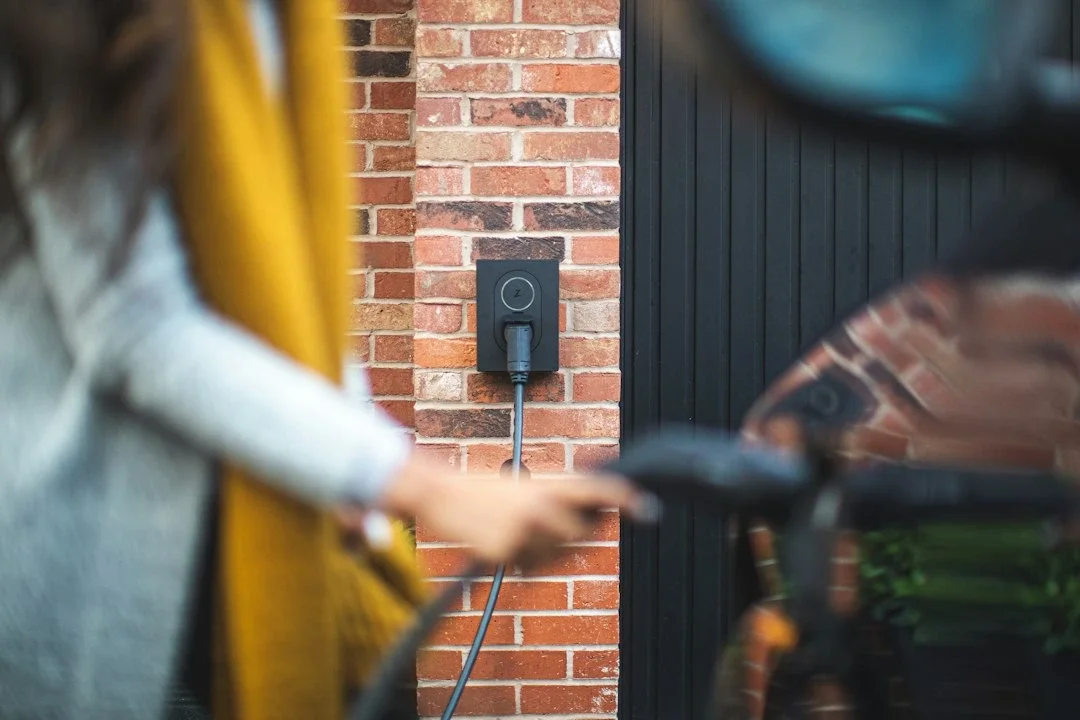
If your EV charger not charging issue has appeared suddenly, start with simple checks such as the vehicle connection, charger status lights, charging schedule and switchboard breaker. Avoid opening the charger or attempting electrical repairs yourself. Persistent faults, repeated tripping or signs of heat should be checked by a licensed electrician.
Home EV charging systems are designed to make overnight and everyday charging straightforward, but several things can interrupt a charging session. Sometimes the problem is a vehicle setting or loose connection. In other situations, the charger, dedicated circuit or switchboard protection needs professional testing.
For Bundaberg homeowners, knowing what you can safely check before calling an electrician can save time while helping you avoid unnecessary electrical risks. TAGTEAM ELECTRICAL provides residential electrical services, including electrical fault finding and EV charging-related electrical work.
Why Is My EV Charger Not Charging?
An EV charger not charging does not automatically mean the charger itself has failed. A home charging system involves several components, including the vehicle, charging cable, wall charger, electrical circuit, safety protection and your property's switchboard.
Common causes include:
The charging plug is not seated correctly.
The vehicle has a scheduled charging time enabled.
The charger has entered a fault or protection mode.
A circuit breaker or safety switch has tripped.
The vehicle has reached its configured charging limit.
The charger has lost its internet or network connection.
The charging cable or connector has visible damage.
The electrical supply to the charger has developed a fault.
Start with the simplest possibilities before assuming there is a major electrical problem.
If other circuits around your property are also behaving unusually, the issue may extend beyond the EV charger. A licensed electrician can inspect the charger alongside your home's electrical services and switchboard systems.
Safe Checks You Can Perform at Home
There are several basic checks you can perform without removing covers or touching electrical wiring.
1. Check the Charging Connection
Disconnect the charging plug according to the manufacturer's instructions, inspect it visually and reconnect it firmly.
Look for obvious problems such as:
Cracked plastic
Bent or damaged connectors
Water or moisture around the connection
Burn marks or discolouration
A loose-fitting charging plug
If you notice heat damage, burning smells or damaged components, stop using the charger.
2. Check Your Vehicle's Charging Settings
Many electric vehicles allow you to schedule charging through the vehicle's dashboard or mobile app.
For example, you may plug your EV in at 6 pm while the vehicle is programmed to start charging at 11 pm. The charger may appear inactive even though it is waiting for the scheduled charging period.
Also check whether your vehicle has reached its selected battery limit. Many drivers configure their EV to stop charging at 80 or 90 per cent for everyday use.
3. Read the Charger Status Lights
Most wall-mounted EV chargers use coloured lights or flashing patterns to indicate operating conditions.
The exact meaning varies between manufacturers, so check the charger's manual or manufacturer app. A red or rapidly flashing warning light may indicate a fault, while another colour might simply mean the charger is connected but waiting for the vehicle.
Do not remove the charger's cover to investigate an error.
4. Check the Switchboard
You can visually check whether the breaker supplying your EV charger has moved into the tripped position.
Queensland electrical safety guidance allows householders to reset circuit breakers and safety switches after checking for an obvious reason they may have operated. However, repeatedly resetting a circuit that continues to trip is not a safe troubleshooting method.
If the charger trips again, leave it switched off and arrange professional testing.
Why Does My EV Charger Keep Tripping the Breaker?
Repeated tripping usually means the protective device is detecting a condition that requires investigation.
Possible causes can include a charger fault, damaged wiring, problems with circuit protection or an electrical fault elsewhere in the charging circuit. EV chargers can place substantial sustained demand on a home's electrical installation, which is why correct circuit design and protection matter.
Modern electrical installations also require appropriate residual current protection. Australian wiring requirements prohibit installing Type AC RCDs in new installations from 30 April 2023, and electrical contractors must choose protection suitable for the connected equipment.
If you are considering changes to your charger or switchboard, TAGTEAM ELECTRICAL's EV charger and switchboard guide explains why the condition and capacity of the switchboard should be considered when installing EV charging equipment.
EV Charger Not Charging After a Power Outage
An EV charger not charging after a blackout or local power interruption may simply need to restart.
Give the charger enough time to complete its normal startup process. You can then check the manufacturer's app or status indicator for error messages.
Also check whether:
Your vehicle still recognises the charger.
The charging schedule has changed.
The charger's breaker is in its normal position.
The charger has reconnected to Wi-Fi if network access is required.
Other electrical circuits in the home are operating normally.
Do not attempt to bypass a fault message or alter electrical wiring to restore charging.
Can I Repair an EV Charger Myself?
You can perform basic user-level checks, but electrical repairs are different.
In Queensland, electrical work generally needs to be completed by a licensed electrical worker. This includes installing, maintaining, repairing, altering or replacing electrical equipment. DIY electrical work can be both dangerous and unlawful.
You should not remove the charger housing, change circuit protection, modify wiring or attempt to repair a hard-wired charger yourself.
Electrical equipment should also be installed according to applicable standards and the manufacturer's instructions. Queensland electrical safety guidance specifically notes that installation requirements under AS/NZS 3000 work alongside manufacturer instructions.
Signs Your Home EV Charger Needs Professional Testing
An occasional connection error may have a simple cause. Certain symptoms, however, should not be ignored.
Arrange an electrical inspection if:
The charger repeatedly trips its breaker or safety switch.
The charging unit becomes unusually hot.
You smell burning or melted plastic.
The charger has visible scorching or discolouration.
Charging repeatedly starts and stops.
Charging speeds have unexpectedly dropped.
The charger shows a persistent electrical fault code.
The cable, plug or charger housing is damaged.
Other household circuits behave unusually while the EV charges.
Stop using equipment if you can see damage, overheating or moisture that could create an electrical risk. Queensland's Electrical Safety Office advises checking electrical equipment for broken casings, overheating, moisture and damaged leads before use.
Could the Switchboard Be Causing the Problem?
Yes. Your EV charger relies on the electrical supply and protective devices connected through your switchboard.
Older homes may have undergone multiple electrical additions over the years. Air conditioning, solar systems, pool equipment, electric cooking and EV charging can all change how electricity is used across a property.
This does not mean every EV charging problem requires a switchboard upgrade. A licensed electrician should first test the installation and identify the actual fault rather than replacing equipment unnecessarily.
Professional testing can determine whether the issue is within the charger, cable, dedicated circuit, protective device or another part of the home's electrical installation.
When to Call a Professional
Call a licensed electrician when an EV charger not charging problem continues after basic connection, vehicle setting and status checks.
You should also arrange professional help immediately if the charger repeatedly trips electrical protection, smells burnt, becomes unusually hot or shows signs of electrical damage.
A licensed electrician can safely test voltage supply, circuit protection, wiring, charger connections and switchboard conditions. Queensland requires electrical work in homes to be performed by appropriately licensed people.
For EV charger fault finding in Bundaberg, you can contact TAGTEAM ELECTRICAL to arrange an electrical inspection and determine what is stopping your charger from operating correctly.
Conclusion
An EV charger not charging can result from something as simple as a scheduled charging setting or poorly seated connector. Check the vehicle settings, charger indicators, connection and circuit breaker before assuming the charging unit has failed.
Repeated tripping, overheating, damaged cables or persistent fault codes require more than basic troubleshooting. Avoid opening or modifying electrical equipment yourself. If the problem continues in your Bundaberg home, have a licensed electrician test the charger and its electrical supply before using it again.
FAQs
Why is my EV plugged in but not charging?
Your vehicle may have scheduled charging enabled, the battery may have reached its preset limit, or the charger may be displaying a fault. Check the vehicle settings, charging connection and charger status indicator first.
Should I reset my EV charger if it stops working?
Follow the manufacturer's reset instructions if they provide a normal user reset procedure. If the charger repeatedly faults or trips the switchboard, stop resetting it and arrange electrical testing.
Why does my EV charger keep tripping the safety switch?
Repeated tripping can indicate an electrical fault, unsuitable protection, damaged equipment or another problem with the charging circuit. A licensed electrician should test the system rather than repeatedly resetting it.
Can an electrician test both my EV charger and switchboard?
Yes. A licensed electrician can test the charger supply, dedicated circuit, protective devices, wiring and switchboard to identify where the charging fault originates.